


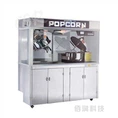


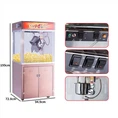




When purchasing a commercial popcorn machine, buyers can easily feel overwhelmed by the wide range of options available. However, many of the seemingly attractive products online can be misleading. Commercial popcorn machines are designed very differently from home-use machines. Household popcorn makers are only suitable for small, occasional batches and are not built to withstand the demands of daily commercial use. If you're aiming to invest in a high-performance, durable machine, here are the key factors you must consider:

1. Kettle
The construction of the kettle is one of the main distinctions. Low-quality machines are typically made with thinner and lighter materials that lack durability. That's why BR POPCORN offers on-site demonstrations, allowing users to see and feel the difference themselves. A true commercial-grade popcorn machine features a sturdy, heavy-duty structure built for long-term use.
2. Motor
Inefficient and cheap motors can significantly affect the quality of the popcorn. Inside a commercial popcorn machine, the motor should rotate at a low speed of around 35–38 RPM, allowing the kernels enough time to pop fully and rise out of the kettle. In contrast, substandard machines often run at 50–70 RPM, which can break the popcorn before it finishes popping, compromising the texture and appearance of the final product.
3. Capacity and Output
Kettle capacity (e.g., 16oz, 32oz, 52oz) is typically used as a standard reference, but operators often find that low-end machines deliver less output than advertised. A proper commercial kettle is designed to pop one full batch every 3–4 minutes, ensuring the popcorn expands fully and reducing the number of unpopped kernels. In cheaper models, up to 50% of the kernels may fail to pop, usually due to inadequate kettle size or insufficient heating power. Lower batch output means a higher cost per serving and more waste.

4. Popping Time
Cooking time is a crucial factor in determining popcorn quality. If the machine pops too quickly (under 3 minutes), the popcorn won't have enough time to fully expand, resulting in small, dense kernels. On the other hand, if the process is too slow (over 4 minutes), a significant number of kernels may remain unpopped, and batches may turn out inconsistent. A machine specifically engineered for high-quality, efficient popping makes a noticeable difference in performance and product quality.